
20 May 2026
Borys Grinchenko Kyiv Metropolitan University
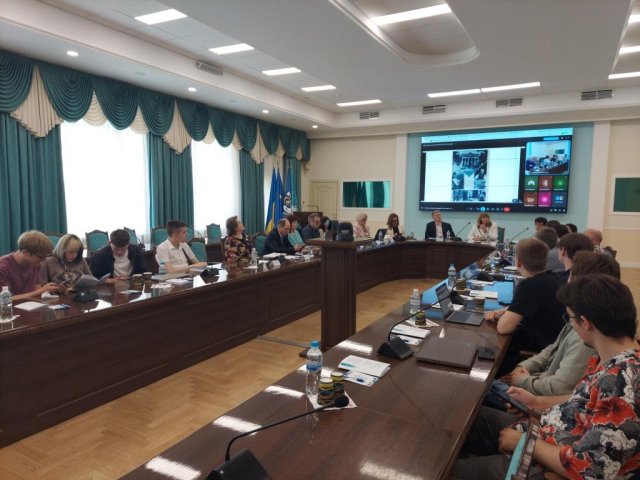
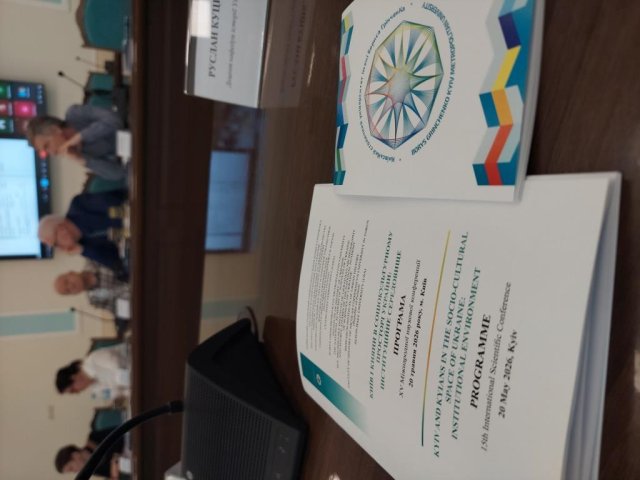
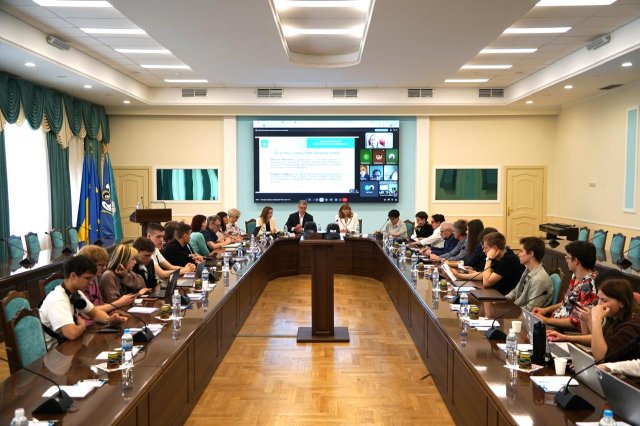
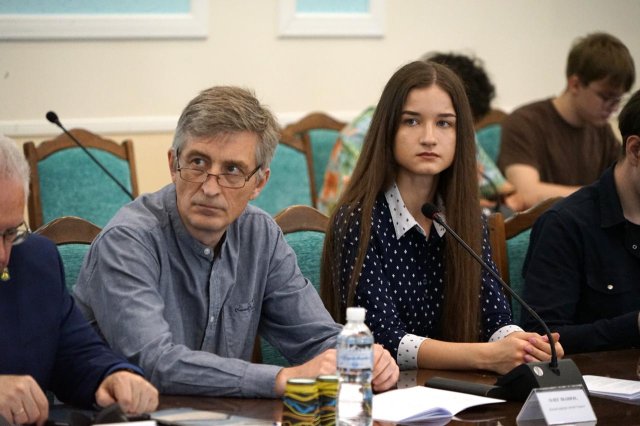
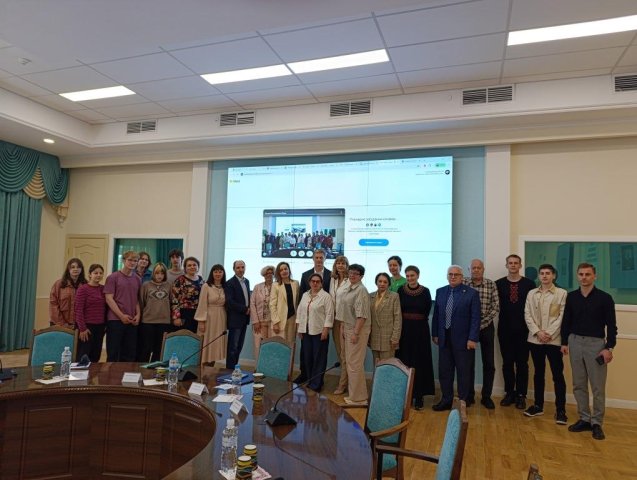
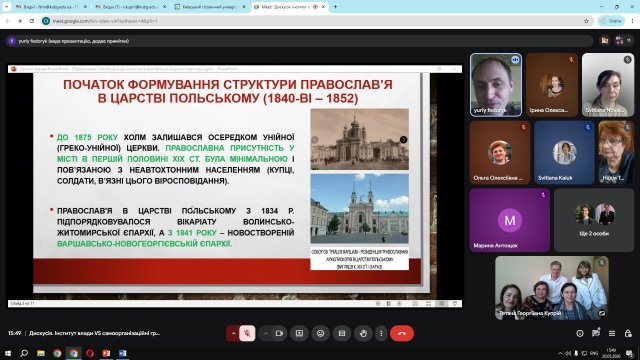
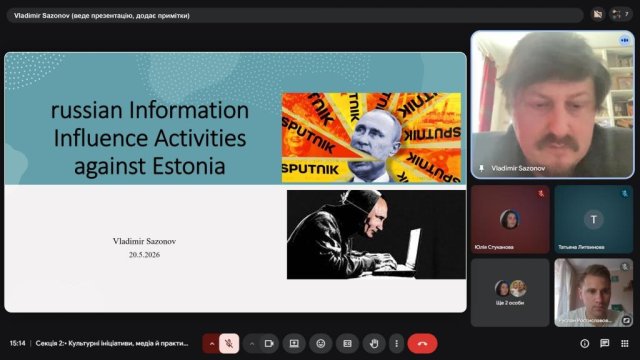
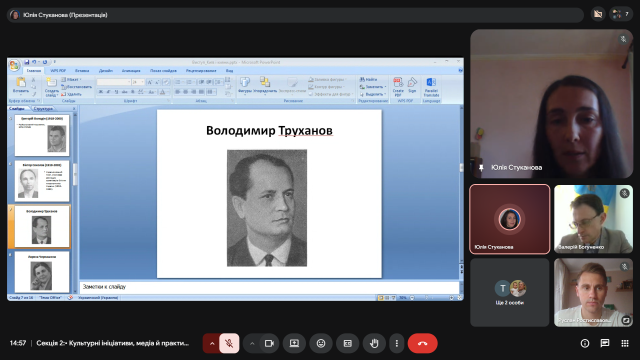
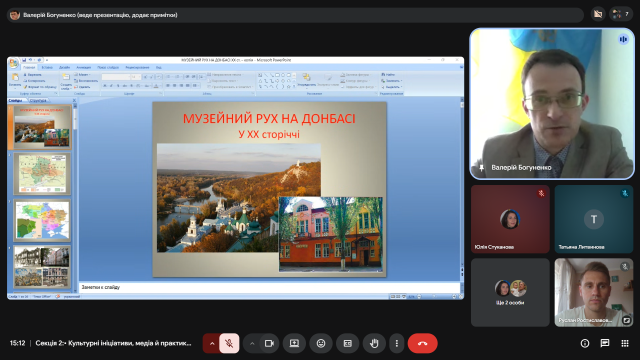
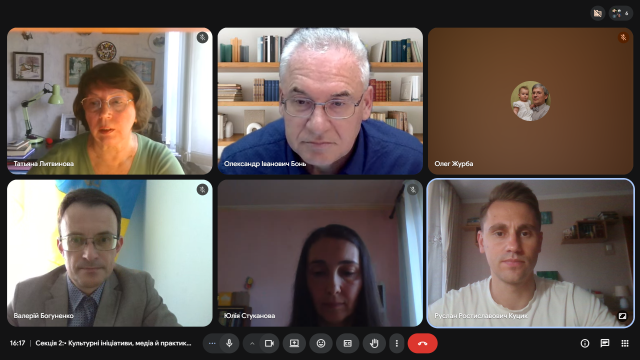
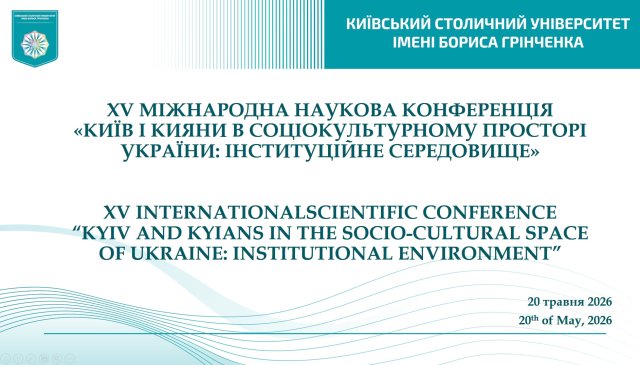
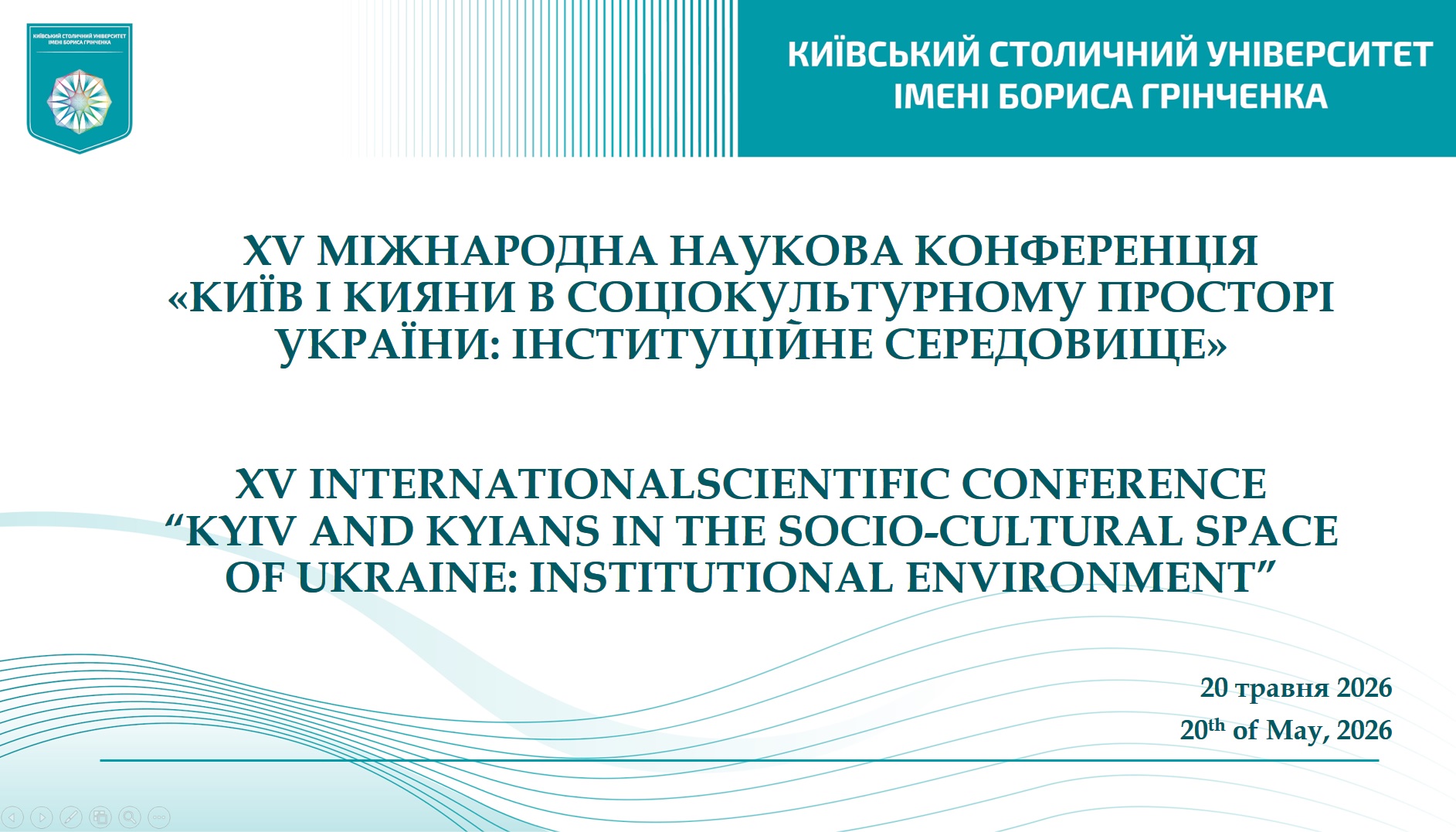
On 20 May 2026, the Faculty of Social Sciences and Humanities at Borys Grinchenko Kyiv Metropolitan University welcomed participants of the 15th International Scientific Conference “Kyiv and Kyivans in the Socio-Cultural Space of Ukraine: Institutional Environment.” This year’s forum became an effective platform for dialogue between distinguished scholars and young researchers, who focused on exploring the historical retrospective of urban institutions and seeking answers to the existential challenges of the present day.
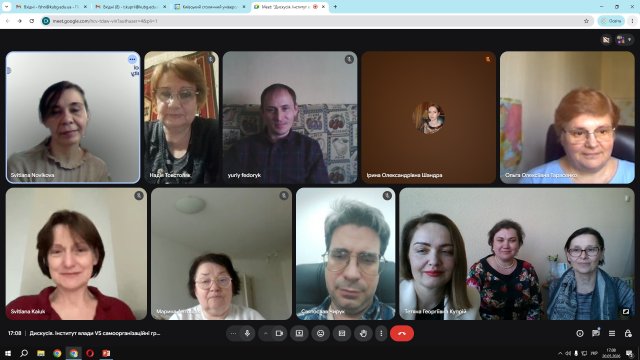
This year, the conference was co-organized by the Institute of History of Ukraine of the National Academy of Sciences of Ukraine, M. S. Hrushevsky Institute of Ukrainian Archeography and Source Studies of the National Academy of Sciences of Ukraine, the Research Institute of Historical Urban Studies, the Faculty of History at Nicolaus Copernicus University in Toruń (Republic of Poland), and Seton Hall University (USA). In addition to representatives of higher education institutions and scientific, cultural and
organizations from Kyiv, Zaporizhzhia, Dnipro, Kharkiv, Kryvyi Rih, Uman, Mariupol, Berdiansk, Horlivka and Chasiv Yar, the conference was attended by the scholars from Estonia, Czech Republic, Lithuania, Latvia, the United States and the United Kingdom.
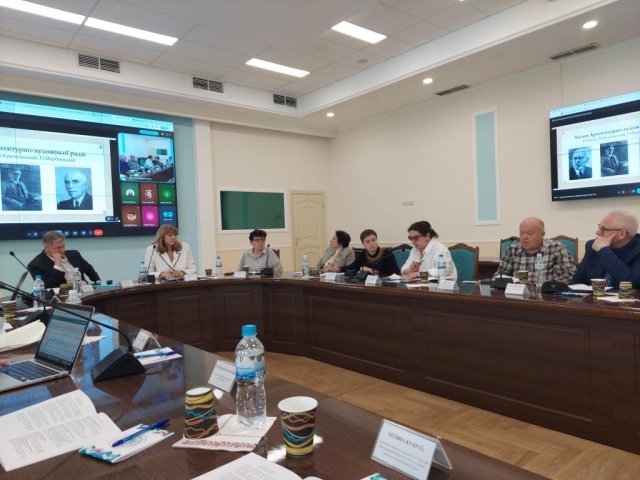
During the plenary session and four thematic panel discussions, 74 speakers — including both renowned scholars and early-career researchers — discussed a wide range of topical issues, from the role of public administration and local self-government institutions in the city to the multifaceted institutional impact on cultural infrastructure.
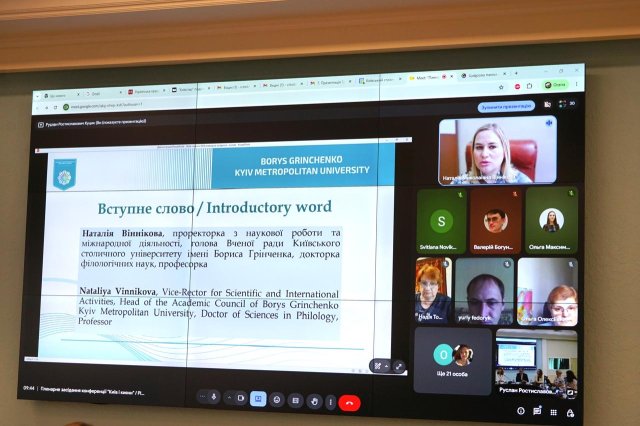
The plenary session of the conference began with welcoming remarks by Nataliia Vinnikova, Vice-Rector for Research and International Affairs, Head of the Academic Council of Borys Grinchenko Kyiv Metropolitan University, Doctor of Science in Philology, Professor and Vitalii Andrieiev, Dean of the Faculty of Social Sciences and Humanities of the same university, Doctor of Science in History, Professor. Conference participants were also welcomed by international colleagues: James K. Daly, Professor in the Department of Education Studies at the College of Human Development, Culture and Media at Seton Hall University, New Jersey (USA), and Panayiotis Xenophontos, Lecturer at the Faculty of Slavonic and East European Studies at University of Oxford, PhD, Doctor of Education, Professor (United Kingdom).
The forum’s scholarly discussions were moderated by leading university faculty members and researchers: Anna Hedio, Doctor of Science in History, Professor; Maryna Budzar, PhD in History, Associate Professor; Oleksandr Bon, PhD in History, Associate Professor; Yevhen Kovalov, PhD in History; Oleh Ivaniuk; Ruslan Kutsyk; Tetiana Kuprii, PhD in History, Associate Professor; Dmytro Kolomiiets, Lecturer; as well as Viktoriia Konstantinova, Director of the Research Institute of Historical Urban Studies, Doctor of Science in History, Professor.
The plenary session featured presentations by:
- Ihor Hyrych, Head of the Department of Sources on Modern History of Ukraine at M. S. Hrushevsky Institute of Ukrainian Archeography and Source Studies at the National Academy of Sciences of Ukraine, Doctor of Science in History, Professor, with the presentation “National Aspects of Social Issues in the Activities of Kyiv Self-Government in the 19th and Early 20th Centuries”;
- Oleh Zhurba, Professor of the Department of Special Historical Disciplines and Didactics of Ukrainian History at the Faculty of History at Oles Honchar Dnipro National University, Doctor of Science in History, Professor, with the presentation “The City as a Factor in the Institutionalization of Modern Ukrainian Science”;
- Oksana Drach, Professor of the Department of World History at the Faculty of Social Sciences and Humanities at Borys Grinchenko Kyiv Metropolitan University, Doctor of Science in History, Professor, with the presentation “Women’s Gymnasiums in Kyiv as Institutions for the Formation of Intellectual Women: A Socio-Cultural Portrait of Female Students in 1914”;
- Anna Yanenko, Deputy Head of the Research Department on the History of Kyiv-Pechersk Lavra and Museum Studies at the Kyiv-Pechersk Lavra National Reserve, PhD in History, with the presentation “The Totalitarian Transformation of the Museum Landscape: Kyiv in the 1930s”;
- Olena Mokrousova, Deputy Director General for Research at the Kyiv Scientific and Methodological Center for the Protection, Restoration and Use of Historical, Cultural and Protected Areas, PhD in History, with the presentation “The Role of the Architectural and Artistic Council of the City Council in Shaping Kyiv’s Urban Development in the 1930s (Based on Pavlo Alioshyn’s documents)”;
- Serhii Pakhomenko, Visiting Associate Professor at the Department of Communication Studies at University of Latvia and Associate Professor at the Department of International Relations and Political Science at Mariupol State University, PhD in History, Associate Professor, with the presentation “Decolonization in Ukraine’s Memory Policy: Security Motives, Anti-Colonial Logic and Local Contradictions in the Institutional Environment of Odesa”;
- Iryna Hridina, Professor of the Department of Political Science and International Relations at Mariupol State University, Doctor of Science in History, Professor, with the presentation “Digital Panic as a Weapon: Media Terrorism in the Capital’s Media Space”.
Each of the presentations delivered sparked lively discussion, confirming that the analysis of the institutional experience of the past is an integral element of security, reflection and the shaping of our common future.
The conference also featured discussion platforms titled “Institutions of Power vs Community Self-Organization and the City’s Intellectual and Educational Institutions,” “Cultural Initiatives, Media and Commemorative Practices in the Institutional Space of the City,” “The Cultural and Anthropological Dimension of Institutions in the City and the Problem of Identity,” and “Problems of Urban History in Its Institutional Development: Voices of Young Scholars.”
Overall, the conference presentations and the extensive scholarly discussions surrounding them demonstrated the strong heuristic potential of the institutional approach in socio-humanitarian studies. The participants of the academic forum reached a common conclusion that a thorough study of both official administrative and economic institutions, as well as informal civic, educational, and charitable networks of the past, makes it possible to gain a much deeper understanding of the origins of the contemporary sociocultural resilience, identity and European development vector of Ukrainian cities.
We hope that the achievements of this year’s conference “Kyiv and Kyivans in Socio-Cultural Space of Ukraine: Institutional Environment,” will provide a solid foundation for further scholarly research and for strengthening our shared institutional resilience in the future.